Milan and Lombardy 2026: a market still attractive, but increasingly selective
Lombardy’s real estate market enters 2026 in a phase of “evolved consolidation”: prices still rising but at a slower pace, solid but demanding demand, and a growing polarisation between quality properties and ordinary stock.
Milan and Lombardy · 2026
The Lombardy market in 2026
2026 confirms Lombardy as the heart of the Italian real estate market.
According to the 2026 Real Estate Report of the Agenzia delle Entrate’s Real Estate Market Observatory (OMI), in 2025 the region recorded 162,189 residential transactions, up 7.0% on 2024.
Lombardy accounts for about 21% of national transactions, while the North-West confirmed itself as the fastest-growing area of the country, at about +8%.
The region also remains one of Italy’s most dynamic markets by intensity, with an IMI of 2.85%, generating about €32.7 billion in turnover, up 11% year on year.
- 162,189
- Residential transactions
- +7.0%
- Growth vs. 2024
- 21%
- Of national transactions
- €32.7 bn
- Real estate turnover
Prices rising, with strong local differences
On prices, the market shows moderate and increasingly differentiated growth.
According to idealista’s research office, in the first quarter of 2026 the regional average price stood at around €2,380/m², up 9.8% year on year.
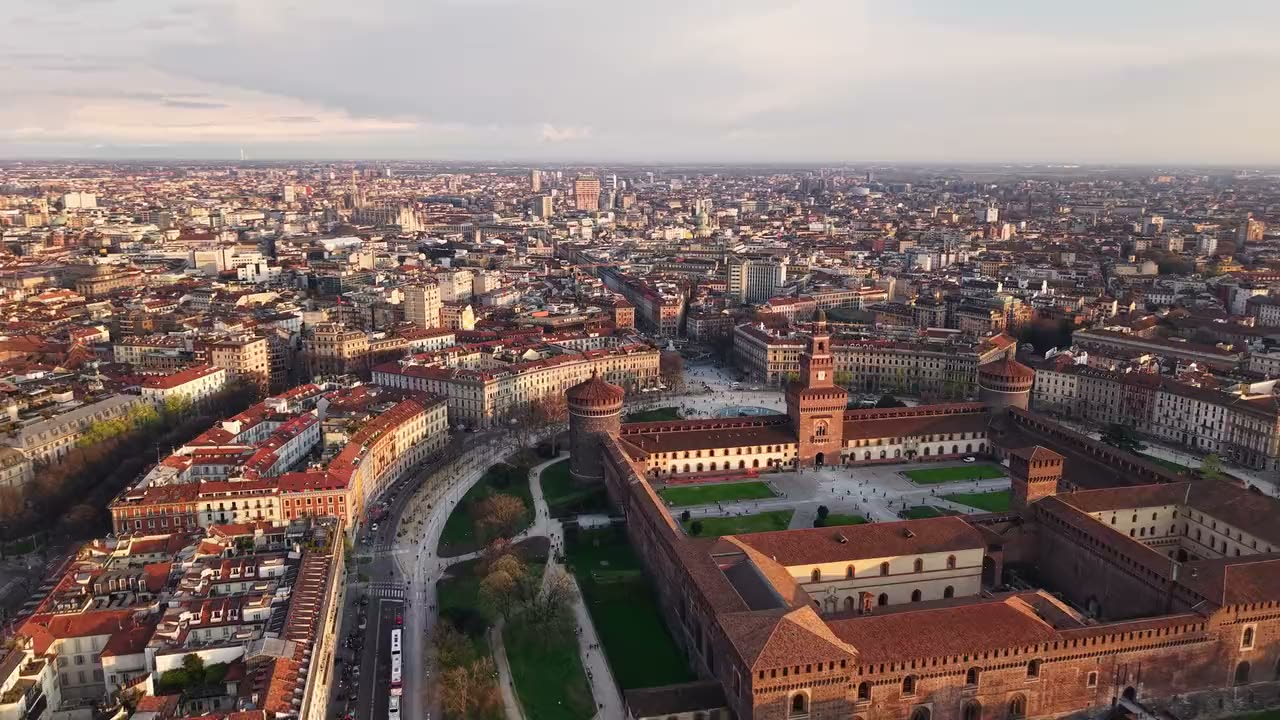
Milan remains the region’s most expensive city. In March 2026 the average price reached €5,192/m², an all-time high, up 4.1% year on year.
In the historic centre the average value reached €11,139/m².
Among the other regional markets, Como, Monza and Bergamo sit above €2,700/m².
Forecasts for 2026
The forecasts of the main observers are not fully aligned.
Nomisma estimates national transactions growing 1.8% in 2026, to about 783,000, with nominal prices up 0.9%.
For Milan, early signs of cooling emerge: Nomisma’s second Observatory records rents down 0.9% on the half-year and 0.7% year on year.
Scenari Immobiliari offers a more optimistic forecast, with about 800,000 national transactions and average residential prices up 4.2% in 2026.
For Milan, growth could reach +7.3%.
The differences reflect different methodologies and scenarios, but converge on one point: the market remains solid, while the ability to identify the right assets and micro-locations becomes ever more important.
- 783,000
- Forecast transactions
- +1.8%
- Transactions
- +0.9%
- Nominal prices
An increasingly selective market
The defining trait of 2026 is the growing polarisation of the market.
Areas affected by major urban regeneration are showing some of the most interesting dynamics. Among them:
- Bovisa
- Cimiano
- Corvetto
- Porta Romana
- Santa Giulia
- Rogoredo
In some areas increases exceed 10%.
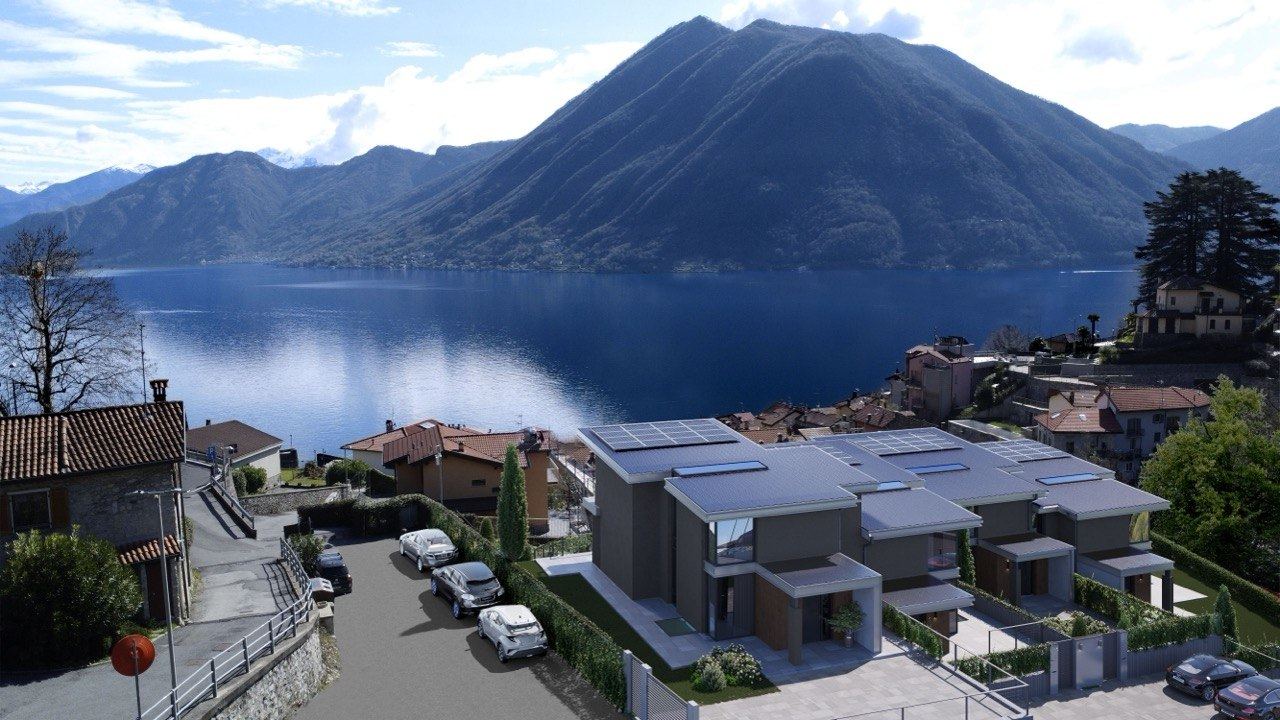
At the same time, interest grows in the hinterland and the main Lombard provinces, including Monza, Bergamo, Brescia, Varese and Como, driven by the search for more liveable sizes and a better quality-to-price ratio.
The market therefore tends to reward efficient, well-connected properties in good condition, penalising ordinary stock more heavily.
For those buying, selling or evaluating an investment, micro-location analysis becomes ever more decisive.
Growth continues. But not everywhere in the same way.
The Lombardy market remains one of the most dynamic in Italy, but 2026 reinforces a trend already evident: location, property quality, efficiency and enhancement potential weigh ever more on an asset’s performance.
Micro-location
Market behaviour can change significantly even between very close areas.
Asset quality
Efficient, already upgraded properties are increasingly competitive.
Strategy
Buying, renovating, letting and selling require different assessments.
Sources and methodology
2026 Real Estate Report — Agenzia delle Entrate Real Estate Market Observatory; idealista research office; Nomisma Observatory; Scenari Immobiliari. Figures are scenarios based on assumptions and do not constitute a promise or guarantee of results.